The digital landscape has undergone remarkable transformation over recent years, with virtual reality animation emerging as a powerful medium that bridges the gap between creative expression and cutting-edge technology. This convergence has opened up unprecedented opportunities for artists, educators, and researchers alike, enabling them to explore immersive worlds where cultural narratives and technological innovation intersect. As institutions and creative practitioners across the globe recognise the potential of this dynamic field, the dialogue surrounding cross-cultural collaboration and archival practices within VR animation has intensified, revealing a fascinating tapestry of possibilities that redefine how we engage with digital content.
- Virtual reality animation has emerged as a transformative medium that merges creative expression with technological innovation to redefine digital engagement.
- Advancements in hardware and software have made VR more accessible, allowing users to experience highly immersive and realistic digital environments.
- Computer-aided design is essential for creating precise, interactive, and narratively rich VR worlds that respond dynamically to user input.
- Academic institutions, such as Birkbeck University of London, are leading cross-disciplinary research to explore the diverse applications of animation in fields like medicine and training.
- Interactive VR tools enhance education by providing risk-free, immersive simulations that improve the understanding and retention of complex or abstract concepts.
- The collaborative potential of VR animation fosters international partnerships between artists, scholars, and technologists to document and explore cultural narratives.
The Evolution and Integration of Virtual Reality Technology in Digital Creation
Virtual reality has steadily evolved from a futuristic concept into a tangible tool that reshapes the way creators approach their craft. The technology offers immersive experiences that transport users into meticulously crafted digital realms, where the boundaries between the physical and the virtual blur. This evolution has been driven by advances in hardware and software, allowing for increasingly sophisticated representations of environments and narratives. The capacity to immerse oneself fully in a digital space has revolutionised not only entertainment but also fields such as medicine, military training, and economic modelling, where simulations can replicate complex scenarios with remarkable accuracy.
Immersive experiences through advanced vr devices and headsets
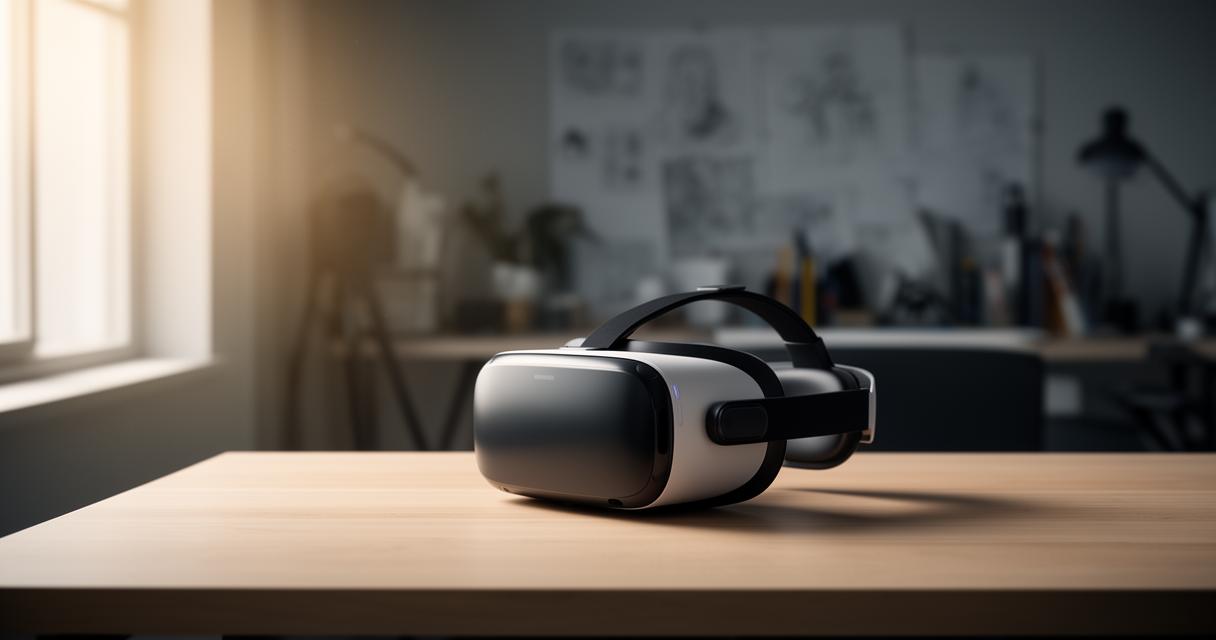
The proliferation of advanced headsets and devices has been instrumental in democratising access to virtual reality. These tools have become more affordable and user-friendly, enabling a broader audience to experience the immersive qualities of VR animation. The design of contemporary headsets emphasises comfort and visual fidelity, ensuring that users can engage with digital content for extended periods without discomfort. As these devices continue to improve, the sense of presence within virtual environments becomes more compelling, drawing users into narratives and experiences that feel remarkably real. The seamless integration of sensory feedback and intuitive controls further enhances the immersive quality, making VR a medium that is as accessible as it is transformative.
The Role of Computer-Aided Design in Crafting Detailed VR Environments
Computer-aided design has become an indispensable component in the creation of detailed and interactive VR environments. By leveraging sophisticated software, designers can construct intricate worlds that respond dynamically to user interactions. The precision afforded by CAD tools allows for the meticulous planning of spatial relationships and visual elements, ensuring that every aspect of the virtual experience is both aesthetically pleasing and functionally robust. This integration of design principles and technology has enabled creators to push the boundaries of what is possible in digital animation, resulting in environments that are not only visually stunning but also rich in narrative depth. The synergy between artistic vision and technical capability is at the heart of contemporary VR animation, driving innovation and expanding the horizons of digital expression.
Educational transformation: universities and research centres embracing vr animation
Academic institutions have increasingly recognised the transformative potential of virtual reality as an educational tool. Universities and research centres are at the forefront of exploring how immersive technologies can enhance learning and training processes. Birkbeck University of London, for instance, has led initiatives that delve into the significance of animation across various contexts, from digital animation in medicine to its applications in military training. The research undertaken in these settings emphasises the importance of creativity and collaboration, bringing together artists, scholars, and technologists to explore the multifaceted nature of animation. Funding from bodies such as the AHRC has supported projects that foster cross-disciplinary research, resulting in a vibrant network of international scholars dedicated to expanding our understanding of digital animation and its myriad applications.
Enhancing Training and Learning Processes with Interactive VR Tools
Interactive VR tools have proven to be remarkably effective in enhancing both training and learning processes. The immersive nature of virtual reality allows students and professionals to engage with content in ways that traditional methods cannot replicate. For example, medical students can practise surgical procedures in a risk-free environment, while military personnel can simulate complex tactical scenarios. These applications demonstrate the versatility of VR as an educational medium, one that can adapt to the specific needs of diverse fields. The ability to visualise abstract concepts and interact with them in real time fosters deeper understanding and retention, making VR an invaluable asset in contemporary pedagogy. Moreover, the collaborative potential of these tools encourages knowledge exchange and creative exploration, further enriching the educational experience.
Visualising complex concepts through engaging vr animations
One of the most significant advantages of VR animation is its capacity to visualise complex concepts in an engaging and accessible manner. Abstract ideas that might be difficult to grasp through text or static images come to life when represented in three-dimensional, interactive environments. This visualisation not only aids comprehension but also stimulates curiosity and critical thinking. Educators and researchers have harnessed this capability to develop animations that explore themes ranging from environmental issues to cultural representation. The dynamic nature of VR allows for layered storytelling, where users can explore different facets of a concept at their own pace. This flexibility, combined with the engaging quality of immersive animation, makes VR a powerful medium for conveying intricate ideas and fostering a deeper connection with the subject matter.
Cultural and Artistic Engagements: The Transcendent Potential of Mixed Reality
The intersection of art, technology, and culture has given rise to a new era of digital expression, where mixed reality serves as a canvas for transcendent experiences. Artists and cultural institutions are increasingly experimenting with VR and augmented reality to create works that challenge conventional boundaries and invite audiences to engage with content in innovative ways. Projects such as Archive to AR, which ran from 2019 to 2020 with support from XR Stories, exemplify this trend. The collaboration between the University of Sheffield, Hive IT, and the National Railway Museum aimed to develop a prototype for a mixed-reality game that utilised archival materials, demonstrating how historical artefacts can be reimagined through contemporary technology. Although the project did not culminate in a fully developed application, it provided valuable insights into the creative practice methodologies necessary for conducting knowledge exchange in the arts and humanities.
Blending Art, Technology, and Digital Expression in VR Archives
The blending of art and technology within VR archives represents a profound shift in how we preserve and interact with cultural heritage. Digital archives powered by virtual reality offer a means of bringing historical materials to life, allowing audiences to experience artefacts and narratives in an immersive context. This approach not only preserves the physical integrity of archival materials but also enhances their accessibility, enabling a wider audience to engage with cultural history. The creative exploration involved in these projects often requires a balance between respecting the original context of materials and embracing the possibilities offered by new technologies. Key principles that emerged from such endeavours include prioritising method over outputs, recognising knowledge exchange as a site for knowledge production, and adopting a spatial approach to content creation. These principles underscore the importance of embodied, material encounters in producing high-quality creative work and ensuring that the resulting experiences resonate with diverse audiences.
The Growing Prevalence of Mixed Reality Games and Interactive Applications
Mixed reality games and interactive applications have become increasingly prevalent as the technology matures and becomes more widely adopted. These applications offer a unique blend of the physical and digital, allowing users to interact with virtual elements overlaid onto the real world. The potential for storytelling and engagement in this medium is vast, as it combines the immediacy of physical presence with the boundless creativity of digital animation. Projects targeting young adult audiences, such as those developed in collaboration with cultural institutions like the National Railway Museum, illustrate how mixed reality can make historical and cultural narratives more relatable and engaging. The process of creating these applications often involves extensive collaboration between creative practitioners, technologists, and cultural experts, ensuring that the final product is both technically sound and culturally resonant. As the field continues to evolve, the lessons learned from early projects will inform future developments, paving the way for even more sophisticated and impactful mixed reality experiences.
In conclusion, the integration of virtual reality animation into various spheres of cultural, educational, and artistic activity marks a new era of digital expression. The collaborative efforts of institutions, researchers, and creative practitioners have laid the groundwork for a future where immersive technologies not only enhance our understanding of complex concepts but also transform the way we engage with cultural heritage and artistic narratives. The ongoing exploration of cross-cultural collaboration within VR archives promises to unlock further opportunities for innovation, ensuring that the digital landscape remains a vibrant and dynamic space for creative exploration.